
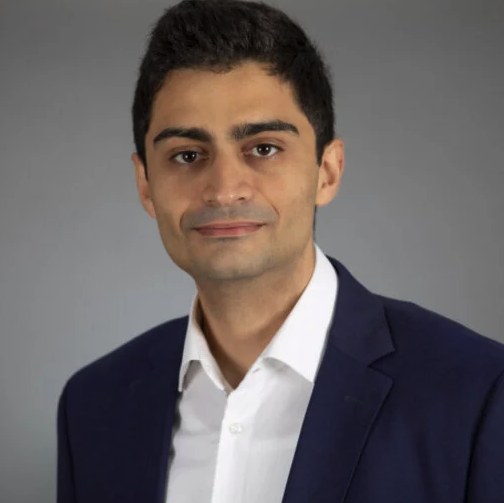
Dr. René Daher
-
Dr. René Daher is a clinician, researcher and lecturer specialising in digital dental technologies, biomaterials and minimally invasive adhesive dentistry. He is currently Senior Lecturer and Program Coordinator at the University of Geneva.
In 2014, he joined the Division of Cariology and Endodontology at the University Clinics of Dental Medicine (CUMD) of the University of Geneva as a teaching and research assistant, as part of Professor Ivo Krejci’s team. In 2020, he co-founded the Master of Advanced Studies (MAS) in Digital Dental Technologies together with Professors Irena Sailer and Ivo Krejci and Master Dental Technician Vincent Fehmer.
His research focuses on the practical application of digital innovations in dentistry. He developed a simplified, mobile workflow for digital smile design that does not require expensive specialised equipment.
Dr. Daher also developed an innovative clinical workflow for the rehabilitation of severely worn and eroded dentitions. This approach simplifies complex full-mouth rehabilitations, promotes minimally invasive treatments and helps reduce both costs and treatment time.
His research into AI-assisted caries detection and 3D-printed restorations likewise reflects his ambition to integrate digital technology into modern dentistry in a practical, conservative and patient-centred way.
-
This lecture offers a practical look at the current state of digital dentistry in general practice, from established CAD/CAM workflows to the rapidly growing role of 3D printing.
Dr. René Daher discusses the clinical applications of additive manufacturing, from splints and surgical guides to definitive composite restorations. A central question is when 3D printing truly offers advantages in terms of workflow, efficiency, cost and clinical flexibility.
The lecture also examines when milling remains the most predictable or advantageous option. By comparing additive and subtractive workflows, participants will gain insight into how to choose the most appropriate technology based on the clinical indication, material requirements and practice environment.
Finally, Dr. Daher presents a reproducible workflow that harnesses the advantages of 3D printing for the rehabilitation of worn dentitions.
-
This lecture explores modern principles for restoring endodontically treated teeth, with particular attention to preserving tooth structure, adhesion, biomechanics and the predictability of restorative treatments.
Dr. René Daher takes a critical look at traditional post-and-core techniques and discusses when the use of a post is—and is not—indicated.
Special attention is given to endocrowns as a minimally invasive alternative, including their design, adhesive principles, indications, advantages, limitations and clinical protocols.
The lecture provides participants with a practical framework for choosing the most appropriate restorative strategy for each clinical situation, with the aim of preserving as much healthy tooth structure as possible and maximising the longevity of the remaining tooth structure.
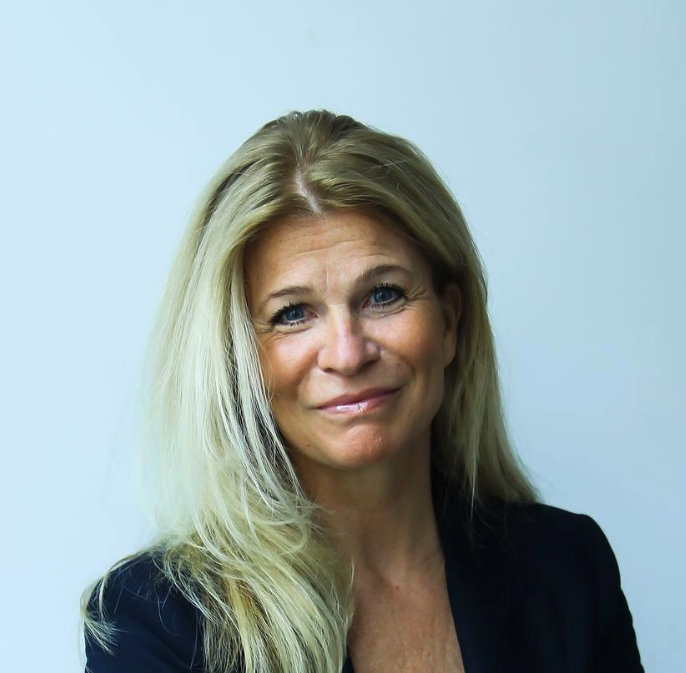
Nicolette Rutgers Biesters
-
Nicolette has worked in oral healthcare for twenty years and specialises in embedding quality and safety within the organisation of dental practices. At a large Dutch oral healthcare organisation, she supported, among other things, the integration of more than one hundred dental practices. That experience helped shape her current work at Praktijk op Orde, where she supports practices and organisations in translating legislation, guidelines and professional knowledge into smarter, more workable procedures.
She worked chairside herself for many years and still regularly works in clinical practice. As a result, she understands the day-to-day reality and the language of the workplace. As a Lean Green Belt, she focuses on smarter organisation and on agreements that provide employees with both guidance and professional autonomy.
Nicolette also shares her expertise as a lecturer for Dental Best Practice, regularly publishes columns on oral healthcare and is invited to speak at lectures and meetings on quality, safety and practice organisation.
-
How good agreements help you work safely, healthily and independently
This lecture focuses on infection prevention in the dental practice. Using recognisable situations, it explores how knowledge about healthy and safe working practices can be translated into agreements that genuinely support day-to-day work.
A key question is central to the session: how much should an organisation define collectively in order to leave employees sufficient room for their own professional choices?
When the safe baseline is clear, people understand why certain agreements matter and know where their own decision-making space begins, they can act independently and with confidence.
The lecture connects infection prevention with consistent working methods, behaviour and professional autonomy, and shows how good agreements can contribute to a healthy and safe dental practice.
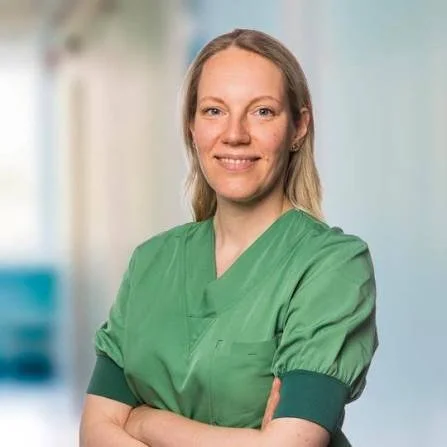
Prof. Dr Marieke Brands
-
Prof. Dr Marieke Brands is an oral and maxillofacial surgeon and head and neck oncologist at ZAS Middelheim in Antwerp and UZ Brussel. She is also Professor of Oral and Maxillofacial Surgery at Vrije Universiteit Brussel.
She studied dentistry, medicine and Dutch law at Radboud University Nijmegen and obtained her PhD on the development of more personalised follow-up care after oral cancer. Her clinical and scientific expertise focuses on oral lesions, head and neck oncology, reconstructive surgery and the consequences of cancer.
-
Which oral lesions are harmless, and which signs require further investigation or referral to an oral and maxillofacial surgeon? In the first part of this practical lecture, we will discuss the most common oral mucosal lesions, with particular attention to diagnostic pitfalls, warning signs and the appropriate time for referral.
The second part of the lecture focuses on oral care for patients with cancer, regardless of tumour type. Oncological treatments such as chemotherapy, immunotherapy, radiotherapy and bone-modifying medication can have significant implications for oral health and the safety of dental procedures.
What can general dentists or dental hygienists do themselves before, during and after these treatments? When is it necessary to adapt treatment, consult the oncology team or refer the patient for specialised care? Using recognisable clinical scenarios, this lecture will provide practical guidance for delivering safe and appropriate oral care in daily practice.
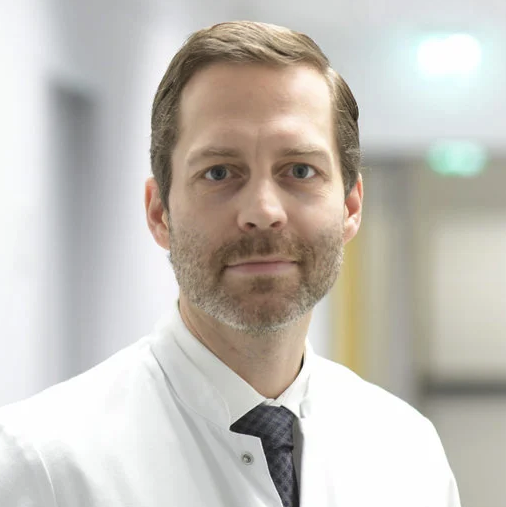
Prof. Dr. Falk Schwendicke
-
Prof. Falk Schwendicke is Professor and Director of the Department of Conservative Dentistry, Periodontology and Digital Dentistry at LMU University Hospital in Munich, Germany.
His research focuses on dental diagnostics and artificial intelligence, cariology and restorative dentistry, preventive dentistry and public oral health, health economics and health services research.
Prof. Schwendicke is the author of more than 700 peer-reviewed scientific publications, over 300 abstracts and 30 book chapters. According to Stanford University’s citation ranking, he is among the world’s most cited dental researchers. Since 2024, he has ranked number one worldwide among the most cited researchers in dentistry.
He has received numerous prestigious scientific distinctions for his work, including several awards from the International Association for Dental, Oral, and Craniofacial Research (IADR). In 2026, he received an IADR Distinguished Scientist Award.
He is also Associate Editor of the Journal of Dental Research and is involved in international working groups and initiatives of organisations including the World Health Organization (WHO), World Dental Federation (FDI) and International Organization for Standardization (ISO).
Prof. Schwendicke is also Honorary Skou Professor at Aarhus University in Denmark and Distinguished Professor at Saveetha Dental College and Hospitals in Chennai, India.
-
Artificial intelligence (AI) is becoming increasingly integrated into modern dentistry. Its applications are wide-ranging, from radiographic image analysis and diagnostics to treatment planning, documentation, patient communication and workflow optimisation in the dental practice. As AI tools become more accessible, it is important for dental professionals to understand not only their possibilities but also their limitations.
In this lecture, Prof. Falk Schwendicke provides a practical overview of the current state of AI in dentistry. He demonstrates how AI can support dentists in diagnostics and clinical decision-making, improve efficiency and consistency, and strengthen communication with patients and the dental team.
At the same time, the lecture addresses limitations and potential risks in detail, including reliability, bias, data quality and privacy. The importance of human expertise and adequate clinical oversight remains central.
With particular attention to the distinction between technological hype and applications that offer genuine clinical added value, this lecture provides a clear framework for integrating AI into everyday dental practice in a thoughtful and responsible way.
Prof. Dr. Jacques Vanobbergen
-
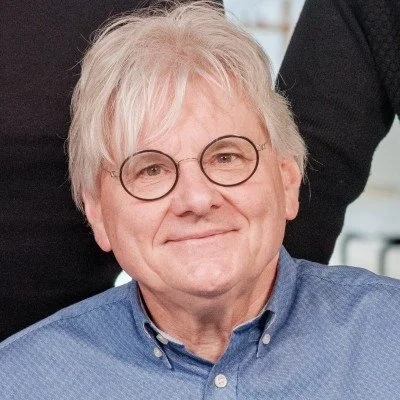
Prof. Dr. Jacques Vanobbergen is Professor Emeritus at Ghent University and a leading expert in dental public health, gerodontology and preventive oral healthcare. He obtained his degree in dentistry at Ghent University, where he also completed his doctorate in dentistry in 2001. Until 2013, he headed the Department of Community Dentistry.
He is the initiator of Gerodent, a project of Ghent University Hospital that provides preventive and curative oral healthcare support to residents and care providers in residential care centres in Flanders. He also played an important role in the development of the Bachelor’s programme in Oral Health at Artevelde University of Applied Sciences, where he served as acting head of programme until September 2022.
Throughout his career, Prof. Vanobbergen has been strongly committed to developing and disseminating evidence-based recommendations on oral health prevention in Flanders and to implementing evidence-based decision-making in oral healthcare.
Today, he is chair of CEMOB, the Centre for Primary Oral Healthcare at Botermarkt in Ghent. Internationally, he has also built extensive expertise as former president of the European Association of Dental Public Health and former president and secretary of the European College of Gerodontology.
-
Imagine having an entire team of highly trained professionals ready to clean up a whole neighbourhood, but sending them out with a small hand brush to disinfect door handles. Absurd? Yet Prof. Dr. Jacques Vanobbergen sees parallels with the way preventive oral healthcare is organised today.
During this lecture, he asks how we can use our expertise and resources more intelligently so that we do not merely treat oral health problems, but above all prevent them. He also looks beyond national borders: how do other European countries organise preventive oral healthcare, what works well and what lessons can we learn?
Particular attention is given to the role of the dental hygienist in Belgium. Where are dental hygienists currently active? How is their care financed? And how can their expertise be used optimally to improve both patients’ oral health and healthcare professionals’ job satisfaction?
The focus is on primary oral healthcare, where the foundations of effective prevention are laid. Patient-centred care can contribute to better health outcomes, improved adherence and greater satisfaction among both patients and healthcare professionals.
Finally, Prof. Vanobbergen takes a critical look at the current financing model. Is a system that primarily reimburses individual procedures sufficient if we want to place greater emphasis on prevention? Using scientific insights and concrete propositions, he invites participants to reflect on how preventive oral healthcare can be structurally raised to a higher level.
Elke Speelman
-
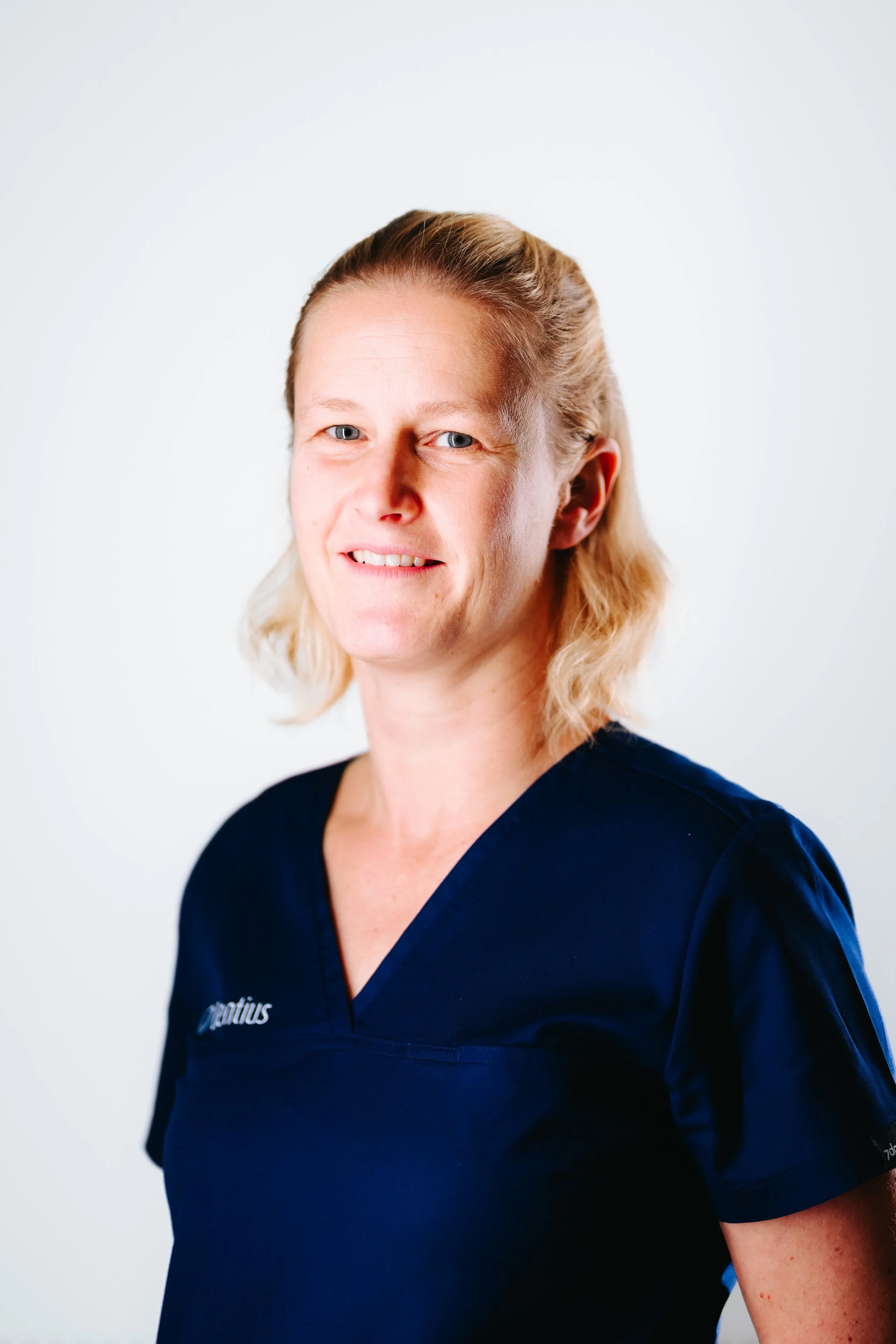
Elke Speelman graduated in Dentistry from Vrije Universiteit Brussel (VUB) in 2003. She subsequently worked as an assistant at the university for five years, where she was involved in the supervision and training of dental students.
Alongside her academic activities, she gained extensive clinical experience in various private practices and at ZNA Hoge Beuken. Her work with children and adolescents in child psychiatry sparked a particular interest in paediatric dentistry. Building on her background in general dentistry and outpatient care, she gradually developed extensive expertise in treating children and patients with special care needs, both in private practice and in a hospital setting, as well as in dental treatment under general anaesthesia at ZNA Paola.
Under her leadership, the practice grew from a small-scale setting with two dental chairs into a multidisciplinary practice with six treatment rooms. Today, together with her practice coordinator, she leads a team of nine dentists, one dental hygienist and eight dental assistants.
-
Treating children requires more than dental expertise alone. It requires an understanding of their world, behaviour and emotions, as well as adapted communication and a well-coordinated dental team.
During this practical lecture, Dr Elke Speelman will take dentists, dental hygienists and dental assistants into the world of paediatric dentistry. Drawing on her many years of clinical experience, she will focus not only on the dental aspects of treatment, but above all on the psychological and emotional support of young patients.
Through theoretical insights, practical examples and recognisable cases from daily practice, she will discuss various strategies for communication and behaviour management. Attention will also be given to adapting the pace and methods of treatment to the individual needs of each patient.
An important part of the lecture focuses on collaboration within the dental team. The interaction between dentist and assistant plays a crucial role in creating a calm, trusting and predictable environment during treatment.
In addition to working with children, the lecture will also address the management of adults with dental anxiety and patients with disabilities. Participants will receive concrete, directly applicable tools to help them support and treat these patients with greater confidence and expertise.
A practical and inspiring session, offering insights and strategies that can be immediately applied in everyday dental practice.
Félix Denayer
-
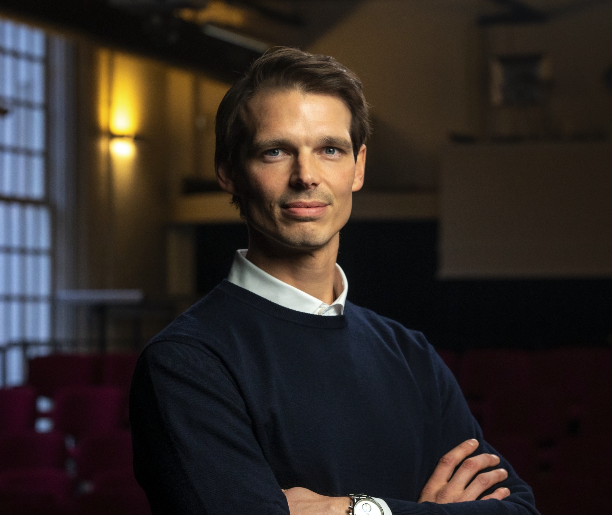
Félix Denayer is a five-time Olympian, Olympic champion and former captain of the Belgian Red Lions, one of the most successful hockey teams in the world. Drawing on a unique combination of elite sport and business experience, he shares powerful insights into teamwork, leadership, resilience and high performance.
-
How do you build a team that is capable not only of reaching the top, but of staying there? In this keynote, Félix Denayer takes participants through five Olympic cycles and shares the key lessons that contributed to the success of the Belgian Red Lions.
The journey moves from creating a shared vision and belief in 2008, to establishing structure and commitment in 2012, and then to developing a strong team culture and sense of ownership in 2016. In 2020, the focus shifts to embedding everyday excellence through habits and high standards.
Finally, Félix addresses one of the greatest challenges in high performance: not simply reaching the top, but remaining there. Through concrete experiences from elite sport, he translates the lessons of five Olympic cycles into principles that can be applied within organisations and teams.
Stefan Troukens – PraktijkAcademie
-
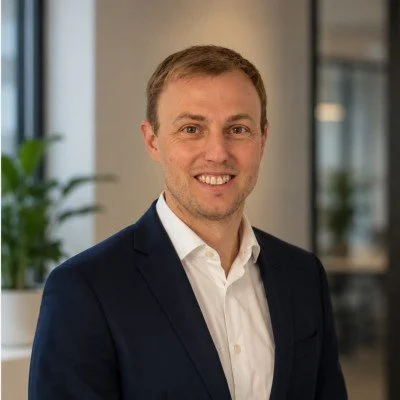
Stefan Troukens supports dental practices in Flanders in building strong, well-organised practices. Before moving into dentistry, he built a career in sales, marketing and leadership. He also holds a bachelor’s and a master’s degree in business management.
That background outside healthcare shapes his perspective today: he looks at the dental practice through the eyes of the patient. He supports practices in organisation, HR, planning, patient flow and financial management.
He is also the founder of PraktijkAcademie, a training academy for dental assistants and practice managers in Flanders.
His conviction: a well-organised practice and a warm patient experience go hand in hand.
-
When was the last time you truly felt welcome as a customer or patient? And would your patients say the same about your practice?
In dentistry, the focus is rightly on high-quality care: appropriate treatment, smooth planning and a well-organised team. But what patients often remember is something else: how they felt. That is where the difference between service and hospitality lies. Service is what you do. Hospitality is how the patient feels.
In sectors where experience is part of the product, hospitality has long been a discipline in its own right. In dentistry, it is still a relatively new concept. This lecture draws inspiration and examples from those sectors and translates them into the everyday reality of the dental practice.
Using the patient journey, from the first phone call through to aftercare, you will discover how every touchpoint helps shape how a patient experiences your practice. You will also see why hospitality only truly works when the entire team embraces it together, from reception to the treatment room.
You will leave with a fresh perspective on the touchpoints in your practice and concrete ideas you can start applying tomorrow.